

The advice has been around for decades: flip your mattress twice a year. It feels like responsible ownership — the kind of thing you just do, like changing batteries in a smoke detector or rotating your tires. The idea makes sense generally, but somewhere along the way, mattress construction changed, and the old rule didn’t keep up.
At Livingood's Appliances & Bedding, our team genuinely enjoys unpacking this myth because knowing what your mattress actually needs makes it a lot easier to take care of it without overthinking things! The short version: flipping and rotating aren’t the same thing, and only one of them applies to most mattresses made today.
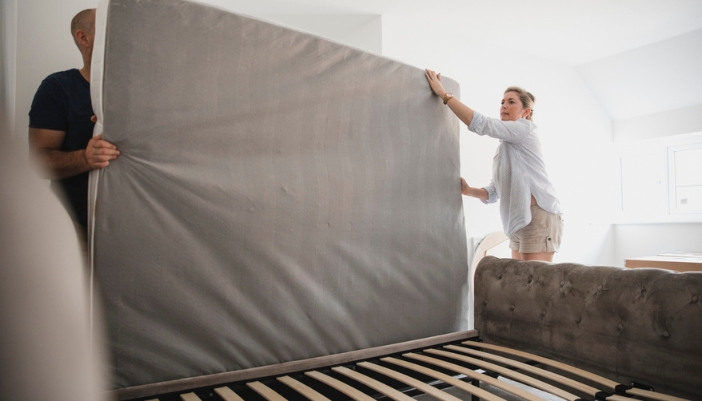
Myth: Every Mattress Needs to Be Flipped
This one comes from an era of double-sided mattresses — the kind with comfort layers on both sides, built to be used face-up or face-down interchangeably. They were common for decades, and flipping them twice a year helped spread wear evenly across both surfaces.
- The shift happened gradually: As foam, latex, and hybrid constructions became standard, manufacturers began designing mattresses with a defined comfort side. These aren’t double-sided; they’re built with specific layers stacked in a specific order.
- Flipping inverts the design: When you flip a one-sided mattress, you end up sleeping on the base layer — the dense, firm support core that was never intended to be the top surface. Think of it like turning a shoe over and wearing it on the sole.
Fact: Rotating Is What Most Mattresses Actually Need
Rotating is different from flipping. It means spinning the mattress 180 degrees on the same surface, so the end that was at your head is now at your feet. The comfort layers stay right-side up; you’re just shifting where your body weight lands each night.
- Why it matters: When you sleep in the same position night after night, the same areas absorb most of your body weight. Over time, those spots can develop softer, compressed zones while the rest of the surface stays relatively fresh. Rotation distributes that wear more evenly.
- How often: Every three to six months is a solid general guideline. Building it into a seasonal habit keeps it from slipping off your radar.
- What to notice after: If you’ve been sleeping on the same mattress for a year without rotating, it may feel slightly different after the first rotation. That’s normal! The areas that had been underused will settle in over a few nights.
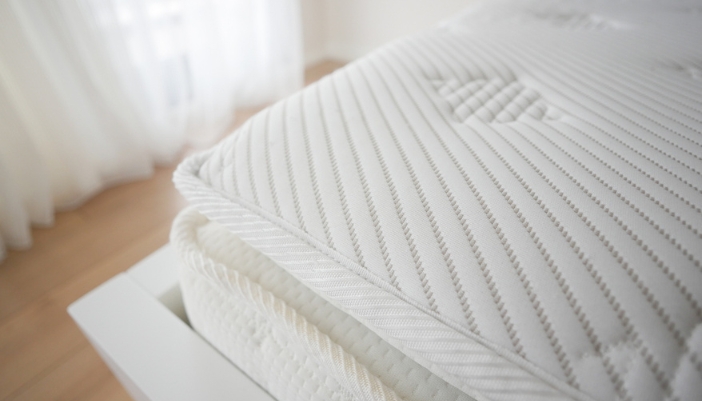
Myth: If You Can’t Flip It, Maintenance Doesn’t Really Matter
It’s a logical leap — if rotation is the only move available, maybe it just isn’t worth the effort. But rotation is genuinely useful, and a few other low-maintenance habits go a long way in keeping a mattress in good shape over time.
- Use a mattress protector: It doesn’t affect how the mattress feels under the sheets, but it keeps moisture, dust, and everyday residue from working into the comfort layers. Low effort, meaningful impact over time.
- Check for uneven wear when you rotate: When you spin the mattress, take a look at the surface. Developing soft spots or visible compression in specific areas are worth paying attention to, and catching them early gives you useful information about where your mattress is in its lifespan.
- Let it breathe occasionally: Pulling back the bedding for an hour during the day allows the mattress to release moisture that builds up naturally during sleep. It’s a small habit that keeps the surface fresher over time.
Fact: Some Mattresses Are Still Made to Be Flipped
Not everything made today is one-sided. A smaller number of mattresses — typically certain innerspring or traditional coil designs — are still built with comfort layers on both sides and are genuinely intended to be flipped.
How to check: Look at the label on the side of your mattress. Most manufacturers indicate clearly whether it’s one-sided or two-sided. If you’re not sure, give us a call or stop in! We’re happy to confirm proper maintenance for you.

Know What You’re Working With and Go From There
Once you know whether your mattress is made to flip, rotate, or both, the whole thing stops being a guessing game. If you’re not sure what you have — or you’re thinking about a new mattress and want to understand how different constructions compare — stop in with your questions at Livingood's Appliances & Bedding. Our sleep experts can walk you through the options without the pressure of feeling like you need to know everything before you start.